
Keep Your Home Cool Without Overworking Your AC
Texas summers are known for soaring temperatures, and while your air conditioner works hard to keep your home comfortable, it shouldn't have to do all the heavy lifting. A few simple improvements can help reduce the strain on your HVAC system, lower energy costs, and create a more comfortable living environment all season long.
From improving airflow to blocking out the summer heat, these practical tips can help your home stay cooler without sacrificing comfort. Whether you're looking for quick weekend projects or considering larger home improvements, a little preparation can go a long way toward beating the Texas heat.
Seal the Heat Out
One of the most effective ways to keep your home cool is by preventing hot air from getting inside in the first place. Over time, weatherstripping, caulk, and door seals can wear down, allowing warm air to seep into your home and forcing your air conditioner to work harder than necessary.
Take a few minutes to inspect the seals around your windows and exterior doors. If you notice cracks, gaps, or worn weatherstripping, replacing these materials is an inexpensive project that can make a noticeable difference in your home's energy efficiency. While you're at it, consider checking your attic insulation as well. Proper insulation helps keep cool air inside where it belongs, making it easier to maintain a comfortable indoor temperature even during the hottest days of summer.
By creating a tighter seal around your home, you'll reduce energy loss, improve comfort, and help your HVAC system operate more efficiently throughout the season.
Use Airflow to Your Advantage
Staying cool isn't just about lowering the thermostat; it's also about making the most of the cool air already circulating throughout your home. Improving airflow can help maintain consistent temperatures, reduce hot spots, and ease the workload on your HVAC system.
Start by checking that your ceiling fans are rotating counterclockwise during the summer months. This creates a wind-chill effect that helps rooms feel cooler without actually lowering the temperature. It's also a good idea to keep furniture, rugs, or curtains from blocking air vents, as restricted airflow can make your system less efficient.
Finally, don't overlook routine HVAC maintenance. Replacing your air filter every one to three months and keeping vents clean allows your system to circulate air more effectively. A well-maintained HVAC system not only performs better but can also help extend the life-span of your equipment while keeping energy costs in check.
Keep the Sun Outside
Natural light can make a home feel bright and inviting, but during the summer months, it can also bring unwanted heat indoors. Limiting direct sunlight is a simple way to keep your home cooler and reduce the demand on your air conditioning system.
Consider closing blinds or curtains during the hottest parts of the day, especially on windows that receive direct afternoon sun. Blackout curtains and solar shades are excellent options for blocking heat while still maintaining a comfortable living space. If you're looking for a more permanent solution, exterior additions like awnings, pergolas, or (our personal favorite) strategically planted shade trees can help reduce heating before it ever reaches your windows.
These small adjustments can make a noticeable difference in your home's comfort while helping your cooling system run more efficiently throughout the summer.
Small Habits That Make a Big Difference
Sometimes, the simplest changes can have the biggest impact. Developing a few energy-conscious habits can help your home stay cooler while reducing unnecessary strain on your air conditioning system.
When possible, try using heat-generating appliances like your oven, dishwasher, or clothes dryer during the early morning or evening hours when outdoor temperatures are lower. On especially hot days, consider grilling outside or using smaller countertop appliances like an air fryer or slow cooker to keep excess heat out of your kitchen.
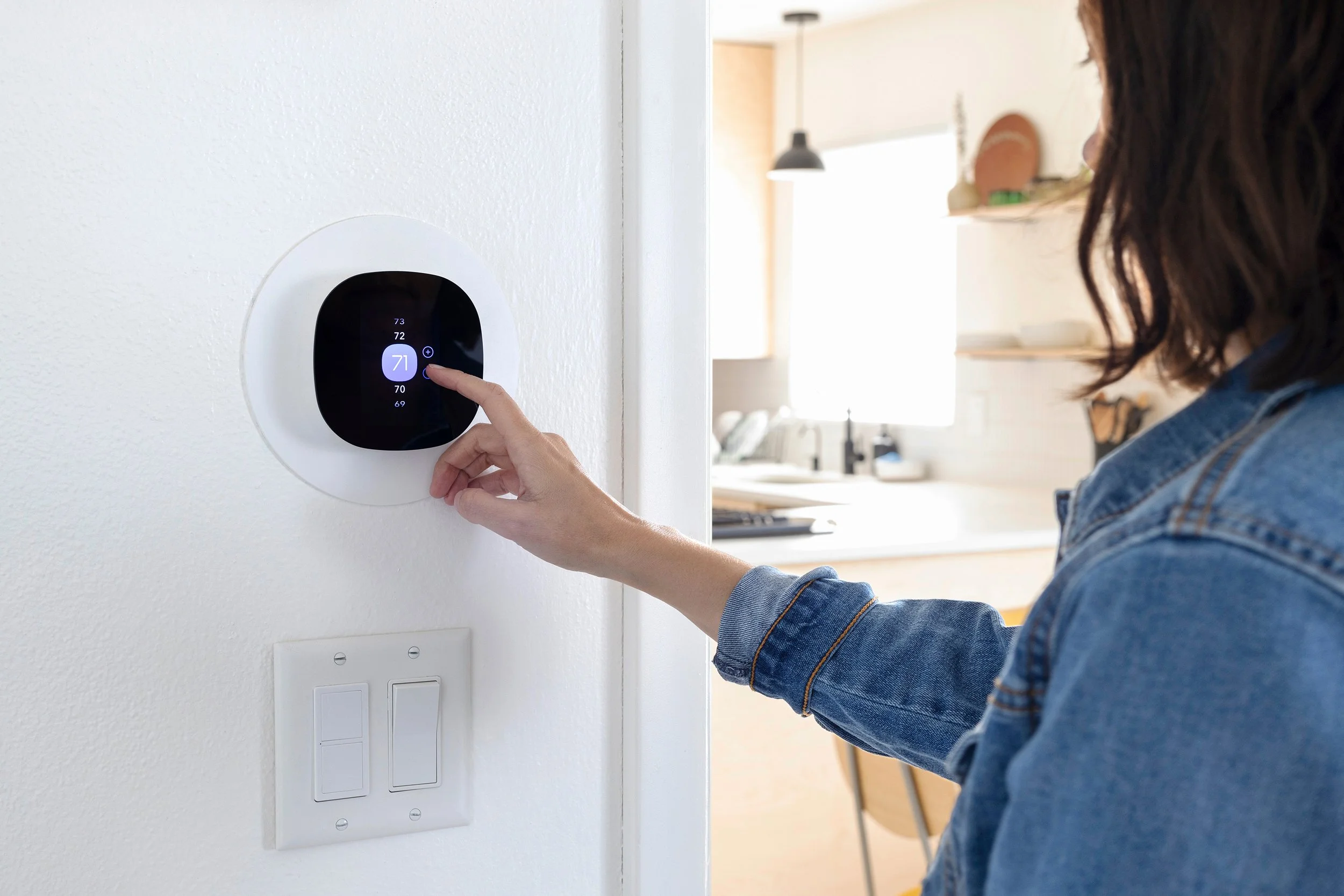
Setting your thermostat a few degrees higher when you're away from home can also help reduce energy usage without sacrificing comfort. If you haven't already, a programmable or smart thermostat can make these adjustments automatically, helping you save energy while maintaining a comfortable indoor environment when you return.
At the end of the day, keeping your home cool doesn't have to mean overworking your air conditioner. By combining a few our simple maintenance tasks with smart everyday habits, you can enjoy a more comfortable home, lower energy costs, and a cooling system that's ready to handle the Texas summer.