
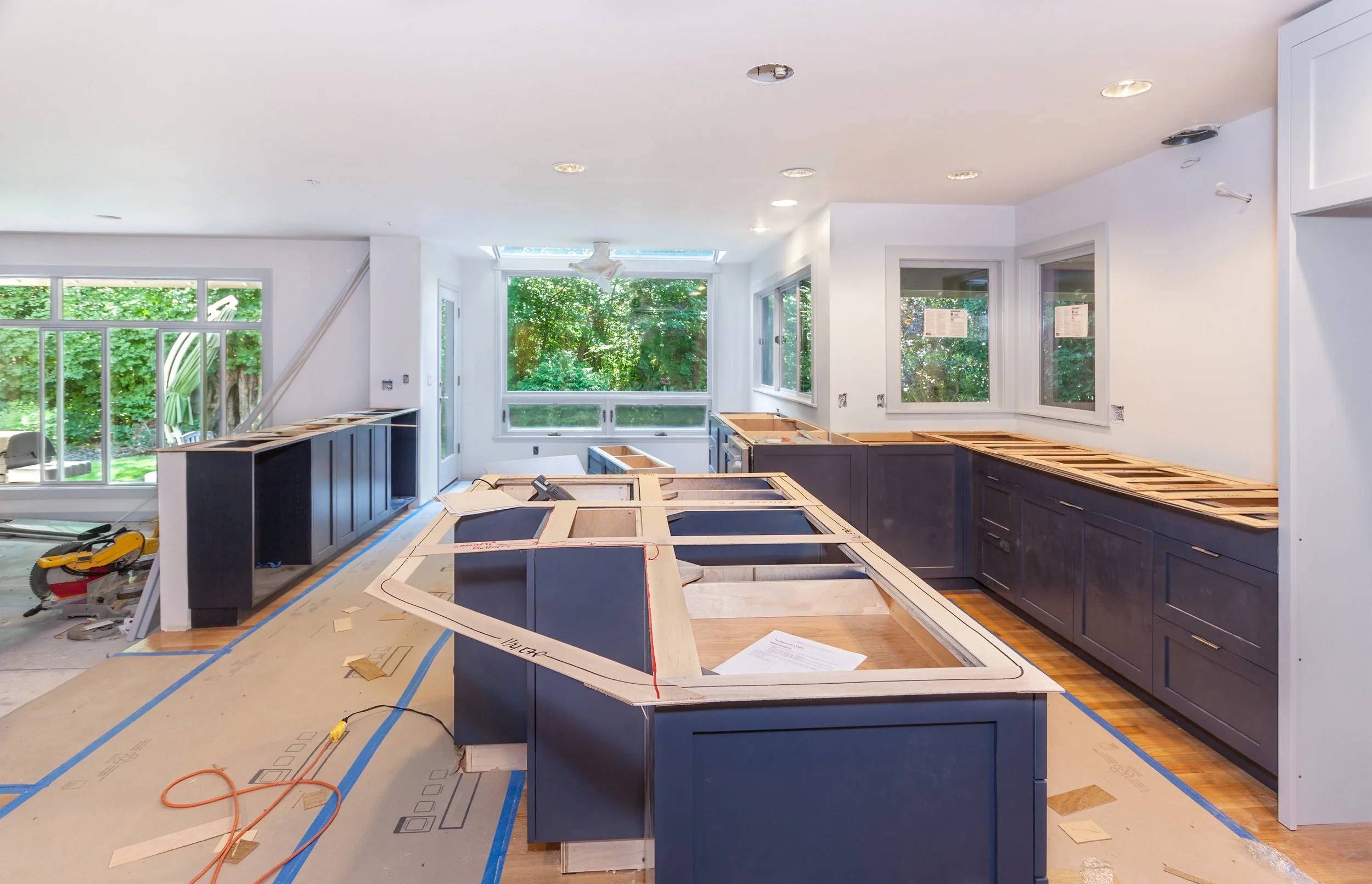
A home renovation is an exciting opportunity to bring your vision to life, but even the smallest oversights can lead to lasting regrets. From impractical layouts to unexpected expenses, some of the most common remodeling mistakes are also the easiest to avoid. Before starting your next project, discover five renovation pitfalls worth keeping in mind, and how a little thoughtful planning can make all the difference.
There’s something exciting about imagining the possibilities of a home renovation. Maybe it’s a kitchen you've been dreaming of updating for years, a bathroom that could use a little more breathing room, or a living space that no longer quite fits your family's needs. Whatever the project, the prospect of transforming your home into something more beautiful, comfortable, and functional is enough to get anyone inspired.
But somewhere between browsing design inspiration, choosing materials, and making countless decisions, it’s easy to overlook the little things that can make a big difference once the renovation is complete.
The truth is, even the most beautiful renovations can come with a few "I wish we'd thought of that" moments. From impractical layouts to unexpected expensess, some of the most common renovation regrets have less to do with the finished appearance and more to do with the decisions made along the way.
Fortunately, a little planning and foresight can go a long way. Before you dive into your next home improvement project, let's explore five common renovation mistakes, and how to avoid making them yourself.
1. Prioritizing Looks Over Functionality
We've all been there: scrolling through photos of beautifully designed kitchens, luxurious bathrooms, and picture-perfect living spaces, imagining how those same features might look in our own homes. While aesthetics are certainly an important part of any renovation, it's easy to get so caught up in how a space looks that we forget to consider how it will actually function.
Take a kitchen renovation, for example. An oversized island might make a stunning centerpiece, but if it leaves little room to move comfortably between countertops and appliances, its beauty can quickly become a frustration. Similarly, open shelving may look elegant in photos, but it isn't always the most practical solution for a household that needs plenty of concealed storage.
How to avoid it: Before making design decisions, think about how you use the space every day. Consider your household's routines, storage needs, and how people naturally move through each room. A thoughtfully designed renovation should complement your lifestyle rather than require you to work around it.
Remember, the best spaces don't just look beautiful; they make everyday living a little easier.
2. Underestimating the Budget
It's no secret that home renovations are an investment, and while it's exciting to envision the finished product, it's equally important to understand what it will take to get there. One of the most common regrets homeowners experience is underestimating the true cost of a project, particularly when unexpected expenses arise along the way.
From discovering outdated plumbing behind the walls to realizing that your dream countertops come with a higher price tag than anticipated, renovation costs can add up quickly. Even seemingly small changes to the original plan can have a ripple effect on the overall budget.
How to avoid it: Start by establishing a realistic budget that accounts for materials, labor, and potential surprises. Setting aside a contingency fund, often around 10–20% of the projected cost depending on the scope and condition of your home, can provide some breathing room when unforeseen issues arise. It's also helpful to distinguish between your must-haves and nice-to-haves, allowing you to prioritize the features that matter most.
Most importantly, maintain open communication with your contractor throughout the process. Understanding where your money is going and discussing potential changes before they're made can help keep your renovation - and your expectations - on track.
3. Following Trends Too Closely
With endless design inspiration at your fingertips, it's easier than ever to discover the latest colors, materials, and styles taking the interior design world by storm. And while incorporating current trends can be a wonderful way to give your home a fresh, modern feel, committing too heavily to what's popular right now can sometimes lead to regrets down the road.
Consider bold tile patterns, unusually shaped fixtures, or highly specific color schemes. While these features might feel exciting today, they may not hold the same appeal several years from now. Replacing them can also become an expensive undertaking, particularly when they're incorporated into permanent elements like flooring, cabinetry, or countertops.
How to avoid it: Focus on creating a foundation that reflects your personal style while maintaining some flexibility for the future. Consider choosing timeless finishes and durable materials for larger investments, then experimenting with trends through elements that are easier to update, such as paint colors, lighting, hardware, and decor.
Above all, remember that your home should be a reflection of you, not simply a reflection of what's trending. The most successful renovations balance fresh inspiration with thoughtful choices that you'll continue to appreciate for years to come.
4. Overlooking the Little Details
When planning a renovation, it's natural to focus on the big picture. After all, choosing beautiful countertops, new flooring, and updated cabinetry is often the most exciting part of transforming a space. But sometimes, it's the smallest details that have the biggest impact on how much you enjoy your finished renovation.
Think about the frustration of realizing there's no convenient outlet near your favorite reading spot, or discovering that your beautifully remodeled kitchen doesn't have adequate lighting for meal preparation. Even something as simple as the direction a door swings or the placement of a light switch can affect how comfortably a room functions.
Individually, these details might seem insignificant, but over time, they can become daily inconveniences that leave homeowners wishing they'd planned a little differently.
How to avoid it: Before finalizing your renovation plans, take time to consider how you'll interact with the space throughout your day. Walk through your typical routines, think about where you'll need lighting and electrical access, and evaluate whether storage and accessibility have been adequately addressed. Discussing these details with your contractor early in the planning process can help identify potential issues before construction begins.
A successful renovation is about more than the features that catch your eye. It's also about the thoughtful details that make your home feel effortlessly comfortable and functional.
5. Rushing the Planning Process
When you're excited about transforming your home, it's only natural to want to see the results as soon as possible. After weeks of gathering inspiration and imagining the finished space, the temptation to jump straight into construction can be hard to resist. However, rushing through the planning process is one of the easiest ways to turn an exciting renovation into a frustrating experience.
From choosing materials without considering availability to making last-minute changes to a layout, decisions made in haste can lead to unexpected expenses, project delays, and compromises you hadn't anticipated. Even seemingly minor adjustments during construction can affect multiple aspects of a renovation, making it especially important to establish a clear vision before work begins.
How to avoid it: Give yourself plenty of time to research your options, establish priorities, and discuss your expectations with your contractor. Before construction begins, make sure you have a thorough understanding of the project's scope, anticipated timeline, material selections, and budget. Asking questions early and maintaining open communication throughout the process can help prevent misunderstandings and keep everyone working toward the same goal.
Remember, a successful renovation isn't a race to the finish line. Taking the time to make thoughtful, informed decisions from the beginning can make all the difference in creating a space you'll be happy with for years to come.
Renovate with Confidence
At the end of the day, a successful renovation isn't just about creating a beautiful space; it's about creating a home that works for you. While it's impossible to anticipate every challenge, taking the time to plan carefully, ask the right questions, and consider the details can help you avoid unnecessary regrets and make the most of your investment.
Whether you're dreaming of a complete home transformation or simply looking to refresh a favorite space, the right preparation and guidance can make all the difference. At Fallen Tree Construction, we're here to help bring your vision to life with thoughtful planning, quality craftsmanship, and a commitment to creating spaces you'll love for years to come.